
If you’re an expat scratching your head and asking, “Can expats own a business in Dubai?”, you’re in luck: yes — not only is it possible, but the legal landscape has shifted dramatically in favor of foreign business owners. What was once a maze of sponsorships, limitations, and middlemen has become a far more transparent, accessible arena. But, as with anything involving laws, there are important details, exceptions, and strategic choices.
Below is a deep dive into what expats owning businesses in Dubai really means: the laws, the do’s/don’ts, and how to make it work. If you’re considering launching a business here, this should help you avoid common pitfalls. (And yes, business setup consultants like HA Group can guide you through this maze.)
What the Law Actually Allows: Foreign Ownership in the UAE Mainland
The key legal change to understand is the amendment to the Commercial Companies Law (Federal Decree-Law No. 2 of 2015, amended by Federal Decree-Law No. 26 of 2020). Under this update, many commercial activities are eligible for 100% foreign ownership in mainland UAE, i.e. you do not need a UAE national partner. This overturned the old 51% local partner requirement in numerous cases.
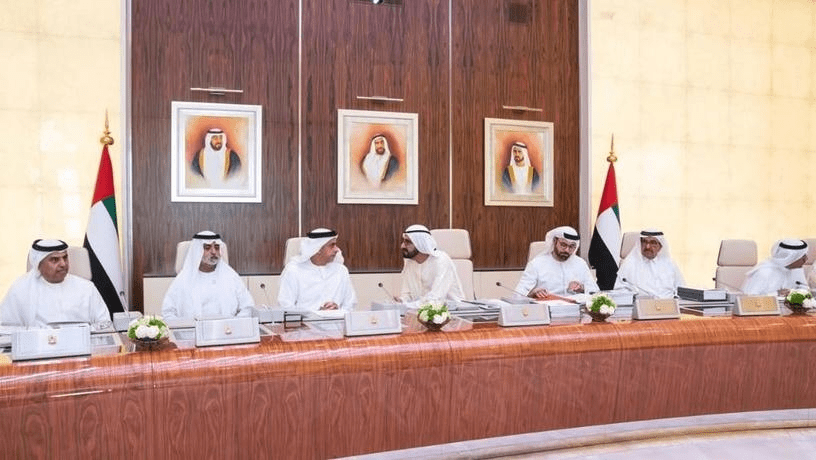
This is confirmed explicitly in the UAE Government’s official portal: “foreigners are allowed to establish companies with 100 per cent full ownership, based on the provisions …” under the amended law. U.AE
Also, the government has released a “Positive List” of business activities – currently over 100 sectors – that are permitted full foreign ownership under the Foreign Direct Investment (FDI) framework. This includes many industrial, service, tech, educational and health-care sectors.
Can Expats Own a Business in Dubai if It’s in a Free Zone vs Mainland?
Yes — but the experience and trade-scope differ. Here are the trade-offs:
| Feature | Mainland (100% ownership eligible sectors) | Free Zone |
| Access to UAE local market & government contracts | Full access if your activity is licensed for mainland operations | Usually need to work through a local distributor or open a mainland branch to sell directly into the UAE market |
| Ownership | Up to 100% foreign (in permitted sectors) under the amended Federal Commercial Companies Law and FDI law | 100% foreign ownership standard |
| License cost, setup complexity | Moderate–higher depending on sector, licensing authority, and whether your business is regulated or strategic | Generally faster to setup, more streamlined, but sometimes more limited in permitted local trading |
| Regulatory oversight / local legislation | Governed by Department of Economy & Tourism (DET) in Dubai, plus other ministries for strategic sectors | Governed by the specific Free Zone Authority, with its own rules but often more flexible |
So: free zones are simpler, cleaner; mainland gives you broader market access. Whether expats should choose mainland depends on what “owning a business” means to them — trading locally? exporting? servicing Dubai government contracts?
What Sectors Are Still Restricted or Have Exceptions
It’s not a free-for-all. There remain “negative list” industries where full foreign ownership is not permitted without additional approvals or a local partner. Some sectors like banking, insurance, some telecoms, security, and defense are treated as strategic and regulated.
For instance:
- Oil & gas exploration & production
- Banking and financing activities
- Insurance
- Telecommunications in some segments
- Security & defense services
If your business falls in these categories, you’ll need to check carefully which permissions or restrictions apply, and whether there’s a path (via licensure or fiscal/regulatory compliance) to near-full ownership.
Practical Steps for Expats to Actually Own & Run a Business in Dubai
It’s one thing to know the law; it’s another to execute. Here’s a step-by-step framework based on recent practice & updated requirements in 2025:

Check the “Positive List” or FDI-approved activities
Before you commit, use government or DET resources to verify whether your intended business activity (or several activities) are eligible for full foreign ownership. It’s usually listed under “commercial companies / foreign ownership / FDI law” pages. If you’re still exploring what kind of business to start as an expat, you might find our guide to small business setup in Dubai especially useful — it breaks down the process for first-time entrepreneurs.
Decide Mainland vs Free Zone
- Mainland gives access to the wider UAE market, but may come with stricter regulation depending on the sector.
- Free zones offer speed, favorable tax regimes, and certain regulatory relief—but limited in direct mainland trade, unless you set up a branch.
Select Legal Structure & Authority
Depending on whether mainland or free zone, you might choose forms like LLC, FZE, branch office, etc. For mainland, DET (or Dubai Economic Department / Economy & Tourism) will be your regulatory contact. For free zones, the respective free zone authority (e.g. DMCC, JAFZA, Dubai Internet City) governs the license.
Trade Name & License Application
Pick a trade name, ensure it meets naming rules. Apply for license with correct classification (professional, commercial, industrial). If your business is regulated (finance, health, etc.), expect additional approvals from relevant ministries.
Office Address & Physical Requirements
Even free zones often require a physical or virtual address; some mainland licenses require actual offices per size/activity. Always confirm the jurisdiction’s workspace minimums.
Visa, Bank Account, and Local Compliance
Once license is issued, sponsor residence visas (for owner, family, employees). Open corporate bank account with full documentation. Maintain compliance (renew licenses annually, keep statutory filings).
Consult Expert Guidance
Mistakes in structuring (choosing wrong authority, missing negative list issues, underestimating cost) can cost time & money. Experienced business setup firms like HA Group, can anticipate these, especially for sector-specific rules (e.g. healthcare, education, or defense).
Real-World Benefits & Risks: What Expats Should Weigh
Benefits
- Full profit & capital repatriation
- No personal income tax, and favorable corporate tax treatment (especially in many free zones)
- Growing government support for innovation, R&D, tech, education sectors
- Ability to own, manage, and exit business on transparent legal footing
Risks / Caveats
- Some strategic or restricted sectors still have local partner / licensing hurdles
- Costs can be higher than expected due to regulatory compliance, minimum capital (sector dependent), office requirements
- Regulatory changes can happen — always verify most recent law or regulations before starting
- Free zone business may have limited ability to directly serve mainland UAE without intermediary arrangements
FAQ: Common Questions Expats Ask
Q: Can an expat own 100% of a mainland company in Dubai now?
A: Yes — for most non-restricted business activities. Under the amended Commercial Companies Law and UAE’s FDI regulations, many commercial and industrial sectors on the mainland permit 100% foreign ownership. But if your business is in a sector on the “negative list,” additional approvals or local partnership may still be required.
Q: Do I still need a UAE national sponsor or shareholder?
A: Mostly no—only for restricted activities. For licensed permitted sectors, full ownership by expats is legally allowed under federal laws.
Q: How fast can I set up the business?
A: In many cases, if you have your documentation in order, choosing the right jurisdiction (free zone vs mainland) and avoiding restricted sectors, you can complete registration & licensing in as little as 3-7 working days. More complex cases (regulated sectors, land permits, healthcare etc.) may take longer.
Q: Will I be taxed heavily?
A: The UAE has low or zero tax on many business profits (especially in free zones). Corporate tax rules exist (with thresholds), but for many small to medium enterprises, advantages remain strong. If operating in free zones, benefits often include 0% corporate tax under qualifying conditions.
Conclusion
So, “Can expats own a business in Dubai?” — the answer in 2025 is a strong yes, with much more clarity, legal support, and opportunity than ever before. The UAE has opened doors: revised laws, the Positive List of FDI activities, and allowances for full foreign ownership in many sectors make this a viable, attractive place to build something real.
If you’re thinking about taking that leap, aligning your business activity, choosing the best jurisdiction, and handling all legal, licensing, and visa details carefully matters. To navigate the details, consult with trusted experts. HA Group, for example, helps many expats map all this out — ensuring you launch efficiently, legally, and with full ownership.
Thinking of starting your own business in Dubai but unsure about the regulations, costs, or best setup path? Contact us at HA Group today for a personalized business setup consultation. We’ll help you determine whether mainland or free zone is right, handle all paperwork, and set you up for full ownership and long-term success.
Recommended Articles:
Understanding the Renewal Cost of a Business License in the UAE: What You Need to Know
Small Business Setup in Dubai for Expats – A Practical, 2025 Guide!
How Much Does It Cost to Register a Company in Dubai in 2025?
Dubai Business Setup Cost With License and Visa | 2025 Guide