
Starting a business in Dubai as an expat can feel both thrilling and intimidating. On one hand, the city shouts opportunity — a global hub where deals are struck over coffee in the morning and sealed with a handshake by night. On the other, the rules, paperwork, and endless “advice” floating around online can leave you more tangled than informed.
So, what’s the truth? How do you, as an expatriate, actually set up a small business in Dubai in 2025 without wasting time or burning cash? That’s what this guide will unpack — clearly, factually, and with zero fluff.
Why Expats Keep Choosing Dubai
Dubai isn’t just a glossy skyline. It’s a magnet for entrepreneurs, and here’s why:
- Geography as strategy. Within a four-hour flight, you can reach a third of the world’s population.
- Tax relief. No personal income tax and competitive corporate rates compared to most markets.
- Ownership freedom. Thanks to recent reforms, expats can own 100% of their companies in most industries.
- Digital-first governance. From visas to licenses, the city runs much of its business life online — less time in queues, more time building.
But here’s the first fork in the road: free zone or mainland? Your answer shapes everything.
Free Zone vs Mainland: What Expats Must Weigh
Free Zones
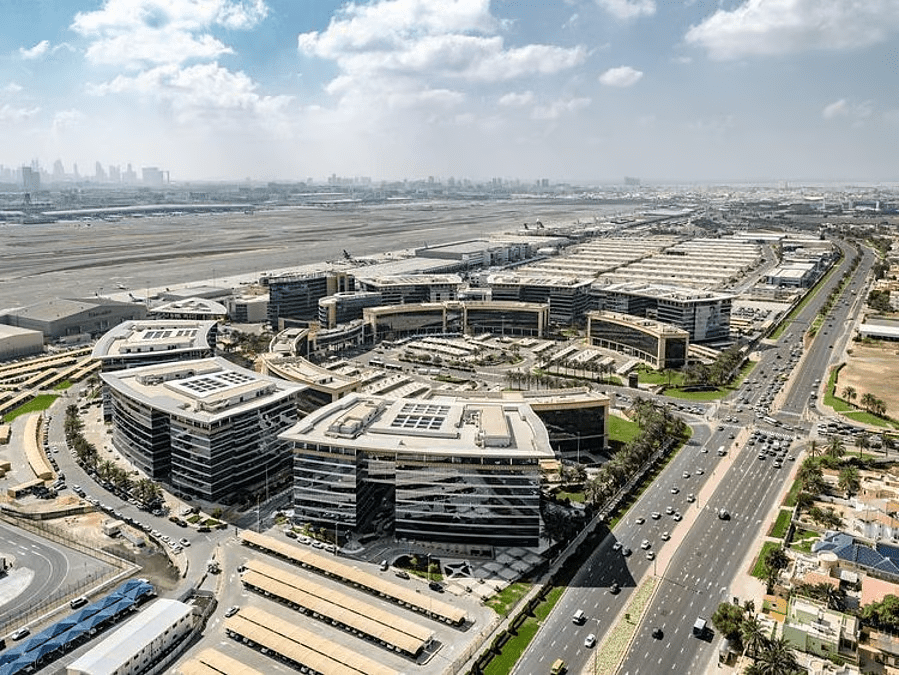
Free zones are like gated business communities — each with its own rules, perks, and limits.
Why people love them:
- Absolute 100% foreign ownership. No local sponsor, no strings.
- Attractive tax perks.
- Fast-track setup; some licenses land in your inbox within days.
- Built-in ecosystem of similar businesses, perfect for networking.
But beware:
- Free zones rarely let you trade directly with the wider UAE market. To do that, you’ll need a distributor or mainland branch.
- “One size fits all” doesn’t exist — every zone has different costs, industries, and requirements.
- Economic substance rules mean shell companies won’t cut it.
The UAE Government Portal spells out the official framework if you want the fine print.
Mainland
Mainland companies used to mean mandatory Emirati sponsorship. Not anymore. Many sectors now allow expats to hold 100% ownership, which is why the mainland is making a comeback.
Upsides:
- Access to the entire UAE market, no middlemen required.
- Eligible for government contracts — a major win if you’re aiming big.
- Flexibility in choosing your office location and expansion.
Trade-offs:
- Expect more paperwork and approvals, especially if your industry is regulated.
- You’ll need a physical office lease (flexi-desks don’t cut it here).
- Annual audits and stricter renewals are the norm.
The Setup Process: Step by Step
So how does an expat actually go from idea to trade license? The steps aren’t complicated — but missing one can set you back weeks.
- Define your business activity. Over 2,000 are listed with Dubai’s Department of Economy and Tourism (DET).
- Pick your jurisdiction and legal structure. Free zone? Mainland? LLC? Branch office? Choose wisely.
- Reserve a trade name. No offensive words, religious references, or political hints.
- Secure approvals. Some activities need extra clearance (think health, education, or finance).
- Lease an office. Free zones often accept flexi-desks; mainland setups usually require a tenancy contract (Ejari).
- Draft the MOA. Essential if you’re running an LLC with multiple shareholders.
- Submit documents + pay fees. Typically includes passport copies, visas, trade name approval, MOA, and lease.
- Apply for visas. For you, partners, and employees.
- Open a corporate bank account. Banks will want proof of real operations.
- Register for VAT if required. Businesses crossing AED 375,000 turnover must comply per UAE FTA.
How Much Does It Cost (and How Long)?
No blog should sugarcoat this: setup costs vary — but here’s the ballpark for a small expat-owned company:
| Expense | Estimated Cost (AED) | Notes |
| Trade license | 3,000 – 10,000 | Depends on activity & zone |
| Office lease | 5,000 – 15,000/year | Flexi-desk vs. physical office |
| Visa & immigration | 3,000 – 7,000 per visa | Medical, Emirates ID included |
| MOA & legal drafting | 1,000 – 5,000 | If LLC or multiple partners |
| Annual compliance | 3,000 – 8,000 | Accounting, renewals, audits |
| Total | 20,000 – 30,000+ | A safe baseline |
Timelines:
- Free zones: 1–3 weeks if documents are in order.
- Mainland: 3–6 weeks depending on approvals.
Note: These are average 2025 costs — actual figures vary by activity and approvals. HA Group can give you a clear, tailored quote so you know exactly what to expect.
Compliance After Setup
Owning a company isn’t a one-time event. Here’s what expats must stay on top of:
- Annual license renewals.
- Proper bookkeeping and audits.
- VAT registration and filings (if threshold is met).
- Economic substance reporting (for relevant sectors).
- Corporate tax filings for non-qualifying income.
The Invest in Dubai platform centralizes many of these services so you can manage renewals and filings without running from office to office.
Pitfalls Expats Commonly Face
- Assuming all activities allow 100% ownership (they don’t).
- Believing a flexi-desk works everywhere (mainland usually rejects it).
- Forgetting license renewals — late fees snowball quickly.
- Ignoring tax compliance — even free zone firms may face corporate tax.
- Getting stuck at the bank — insufficient documentation can stall account opening for months.
FAQ: Small Business Setup in Dubai for Expats
Can I open a business without living in Dubai?
Yes, but for visas and operations, residency makes life easier.
Do I still need a local partner?
Not for most free zones, and many mainland activities are now 100% expat-owned.
What about taxes?
Expect VAT at 5% (if turnover exceeds AED 375,000). Corporate tax at 9% applies depending on your activity and income.
How long does a license last?
One year. Renew annually.
Closing Thoughts
Setting up a small business in Dubai as an expat isn’t the maze it once was. The rules have evolved, the paperwork has gone digital, and ownership is more accessible than ever.
The hardest part? Knowing which path — free zone or mainland — fits your goals, budget, and market plans. Get that right, and the rest is execution.
At HA Group, we’ve guided thousands of expats through this journey. Whether it’s choosing the right license, managing compliance, or simply opening a bank account without hiccups, our role is to make your business setup as smooth as Dubai’s highways.
Thinking of starting your business in Dubai? Let’s talk. Your idea deserves the right launchpad.
Recommended Articles:
How Much Does It Cost to Register a Company in Dubai in 2025?
Dubai Business Setup Cost With License and Visa | 2025 Guide
Business Setup Services in Dubai for Foreigners: 2025 Guide
How to get an Investor (Golden) Visa through company setup in the UAE — 2025 practical guide